
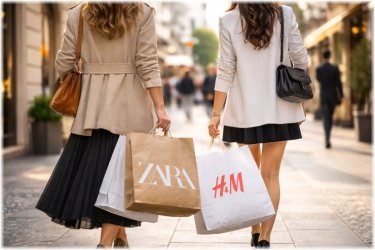
Δοκιμασία για την Αλυσίδα Εφοδιασμού της Παγκόσμιας Μόδας
Η αλυσίδα εφοδιασμού στον τομέα της μόδας παγκοσμίως αντιμετωπίζει και πάλι σοβαρές προκλήσεις.Η κλιμάκωση των εντάσεων στη Μέση Ανατολή, σε συνδυασμό με τις ήδη υπάρχουσες διαταραχές στις θαλάσσιες και αεροπορικές μεταφορές, έχει δημιουργήσει σημαντικά προβλήματα στα logistics για τα κορυφαία brands του fast fashion. Οι συνέπειες είναι άμεσες: καθυστερήσεις, αυξημένα κόστη μεταφοράς και εμπορεύματα «κολλημένα» σε εργοστάσια ή αεροδρόμια.
Η παραγωγή fast fashion εξαρτάται σε μεγάλο βαθμό από εργοστάσια που βρίσκονται στη Νότια Ασία — κυρίως στο Μπανγκλαντές, την Ινδία και το Πακιστάν.Ωστόσο, οι ακυρώσεις πτήσεων από μεγάλες αεροπορικές εταιρείες του Κόλπου όπως η Emirates και η Qatar Airways έχουν διαταράξει κρίσιμες αεροπορικές διαδρομές cargo.
Ως αποτέλεσμα αυτής της κατάστασης, χιλιάδες παρτίδες ρούχων που προορίζονται για μεγάλους λιανοπωλητές παραμένουν εγκλωβισμένες στα αεροδρόμια της περιοχής.
Επιπτώσεις στο Επιχειρηματικό Μοντέλο Fast Fashion
Το μοντέλο «γρήγορης μόδας» βασίζεται σε έναν σχεδόν συνεχόμενο κύκλο παραγωγής: σχεδιασμό, κατασκευή και διανομή μέσα σε λίγες εβδομάδες. Η τρέχουσα κρίση στα logistics πλήττει κατευθείαν αυτό το μοντέλο.
Οι εταιρείες βρίσκονται αντιμέτωπες με δύσκολα διλήμματα:
- Να αποδεχτούν πολύ υψηλότερα κόστη για τις αεροπορικές μεταφορές.
- Να υποστούν καθυστερήσεις που μπορεί να αφήσουν τα καταστήματα χωρίς νέα προϊόντα.
- Ή να αναδιοργανώσουν την παραγωγή τους.
Add to this the general turmoil in maritime transport; beyond the tensions in the Strait of Hormuz, attacks on commercial vessels in the Red Sea have lead manny shipping companies to bypass the Suez Canal and navigate around Africa—extending travel times by up to two weeks.
Antidotes from Fashion Brands
The major fashion groups are attempting to tackle this crisis thru various strategies:
- Migrating production closer to Europe: Many companies are considering boosting production in countries like Turkey or Morocco to reduce reliance on distant supply chains from Asia.
- Diverse logistics networks: Some brands are establishing more flexible transportation networks by combining sea, road and air transport methods to avoid bottlenecks.
- Tweaking investment plans: Despite uncertainty, several firms continue their expansion efforts. As an example, Inditex is still investing in logistics and new stores as its sales remain robust despite geopolitical pressures.
The Cost burden on Consumers
The disruptions in transportation affect not only brands but also consumer prices. Delays along with rising fuel costs and insurance premiums for shipments lead to increased expenses for every piece of clothing transported from Asia to Europe or America. For an industry that thrives on low prices and rapid production cycles, this crisis serves as an informal “stress test.”
This situation may accelerate a deeper change within the fashion industry due to ongoing tensions in the Middle East. Many analysts predict that brands will shift towards closer manufacturing bases with smaller order sizes and more resilient supply chains.
In essence, the era where a T-shirt could be designed in London, produced in Bangladesh and reach European shelves within weeks may need reevaluation—along with the entire rationale behind fast fashion.
Α.Ν