
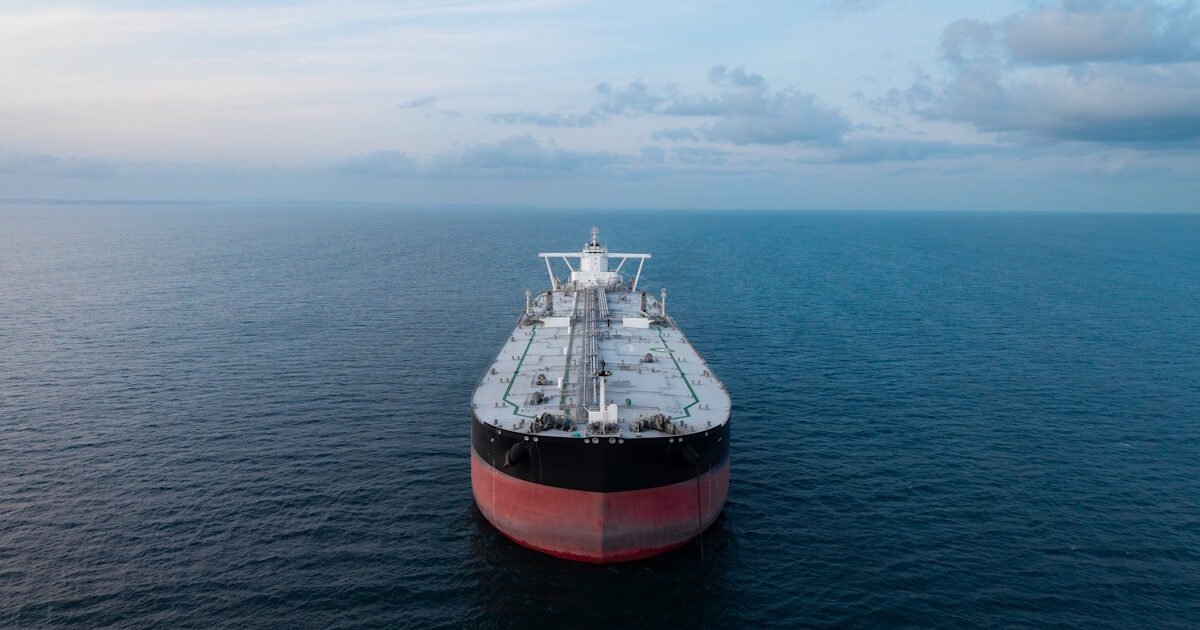
Για να κατανοήσει κανείς την εξωφρενική αύξηση των δαπανών μεταφοράς πετρελαίου μέσω θαλάσσης,αρκεί να σκεφτεί το εξής: η ενοικίαση ενός δεξαμενόπλοιου από τις Ηνωμένες Πολιτείες προς την Κίνα κοστίζει πλέον περισσότερο από την εκτόξευση ενός πυραύλου στο διάστημα,όπως αναφέρει το Bloomberg.
Η συγκεκριμένη διαδρομή κοστίζει περίπου 80 εκατομμύρια δολάρια, σε σύγκριση με τα 74 εκατομμύρια δολάρια που απαιτούνται για μια τυπική εκτόξευση του πυραύλου Falcon 9 της SpaceX, σύμφωνα με πληροφορίες που δημοσίευσε αυτή την εβδομάδα η ναυλομεσιτική εταιρεία Gibson. Με αυτό το ποσό, στις αρχές της χρονιάς θα μπορούσε κάποιος να αποκτήσει ένα σχεδόν πανομοιότυπο δεξαμενόπλοιο.
Οι υπερβολικά υψηλές τιμές προέρχονται από τη διεθνή έλλειψη δεξαμενόπλοιων, η οποία επιδεινώνεται με κάθε βαρέλι πετρελαίου που περνάει από τα Στενά του Ορμούζ. Η αγορά των υπερδεξαμενόπλοιων, εδώ και εβδομάδες, βιώνει μια άνθηση τέτοιου μεγέθους που οι παλιοί επαγγελματίες του κλάδου δεν έχουν ξαναδεί.Σύμφωνα με τη ναυλομεσιτική εταιρεία SSY,ακόμη και μετά τις προσαρμογές στον πληθωρισμό,οι ναύλοι βρίσκονται στο υψηλότερο επίπεδο από τότε που τα πρώτα υπερδεξαμενόπλοια άρχισαν τις διαδρομές τους στους ωκεανούς τη δεκαετία του 1960 — ξεπερνώντας ακόμα και τους «πολέμους των δεξαμενόπλοιων» της δεκαετίας του 1980 όταν Ιράν και Ιράκ επιτέθηκαν σε εμπορικά πλοία στον Περσικό Κόλπο.
“Δεν υπάρχουν αρκετά πλοία για να καλύψουν όλες τις ανάγκες”, δήλωσε ο Russell Hardy, διευθύνων σύμβουλος της Vitol Group —του μεγαλύτερου ανεξάρτητου εμπόρου πετρελαίου παγκοσμίως— σε συνέδριο αυτή την εβδομάδα. “Οι τιμές έχουν αυξηθεί σχεδόν εκθετικά”.
The rapid increase in freight rates presents a new challenge for the oil market that has been struggling for months to adapt to the unprecedented disruption caused by the war in Iran. the rising transportation costs make crude oil more expensive for buyers and shrink refining margins while intensifying inflationary pressures on energy markets.
The core issue driving this surge is straightforward: there simply aren’t enough tankers available to efficiently transport all the barrels of oil that need moving. Middle Eastern producers are increasingly relying on transshipment from tankers at the Strait of Hormuz due to shifting trade flows caused by the conflict in Iran.These additional journeys can add about a week to each route and tie up global fleets for longer periods. Their impact has intensified as shipments through the Strait have rebounded to around 80% of pre-war levels according to industry executives.
The erratic nature of these trade flows has exacerbated vessel shortages even further. When traffic through the Strait collapsed, tankers spent weeks sailing empty from the Middle East seeking charters elsewhere in the world. Now that shipments from the Persian Gulf are recovering, vessels must reposition themselves again — a process that can take weeks.The significant halt in Iranian exports to China has further strained conditions as Chinese buyers seek more crude from alternative sources increasing demand for tankers operating globally.
Iranian attacks which put vessels out of service for repairs also limit available shipping capacity while some ships are traveling thousands of extra miles around Africa’s coastlines avoiding Houthi attacks.
“We have certainly seen extremely strong charter markets before but this speed and scale of increase is remarkable,” said Lauren Gallinari head of business intelligence at MJLF & Associates brokerage firm.
Pushing Freight Rates Higher
A cost that was once minor within oil supply chains has now ballooned when compared with overall crude prices. This week a charter was agreed upon from U.S., costing $41 per barrel transported while last year’s average price along similar routes was just $4.50 per barrel; this represents approximately 45% relative value against West Texas Intermediate (WTI) futures contracts trading near $91 per barrel last Friday.
This spike translates into unexpectedly massive profits for tanker owners; millions flow into a limited circle comprising often low-profile shipowners who dominate market share including one mysterious South Korean magnate alongside networks comprised mainly Greek families and Norwegian tycoons alike . As rates reached new highs earlier this month sentiment among tanker owners suggested growth would likely continue unabated; many remain optimistic about short-term prospects despite previous bets against them proving wrong thus far .
“With such limited additional shipping capacity available , rate formation increasingly hinges upon what charterers can afford,” analysts at Clarksons Securities noted .
< p > Volatility has become so extreme traders struggle even estimating transport costs accurately within few dollars range per barrel ,stated Hardy from vitol.
< p > The industry is already adapting ; cargoes originating West Africa or South America typically shipped via single supertanker now split between two smaller Suezmax class vessels instead . Meanwhile producers explore purchasing ships securing long-term charters protect themselves volatility risks ; Middle Eastern producers including Iraq UAE Kuwait all sought purchase options recently past weeks too .
< p > These alternatives shift pressure onto other vessel categories too ; daily earnings averages suezmax class tankers skyrocketed over $680k roughly five times early month levels ! Charter rates gas carriers transporting propane nearing historical peaks tripling since end last year alone !
< p > Even acquiring ship itself becomes pricier than ever before ; value brand-new tanker secondhand market soared up-to $240 million highest recorded level according Clarkson research Services Ltd subsidiary largest broker worldwide surpassing over sixty percent higher than late previous year’s figures!
< p > for oil producers soaring transportation expenses begin reshaping economic equations regarding competitive selling opportunities their crude products across various markets globally especially those reliant heavily refineries located far away like China nearly ten thousand miles distant where prices plummet significantly forcing sellers offer discounts offsetting rising transport fees reaching destination ports!
< P > In update regarding commercial performance released earlier this week Shell plc indicated certain third-quarter results will be impacted by “increased variable components long-term contracts under current macroeconomic environment.” Company had issued similar notice earlier same year too meanwhile total stock valuation major listed shipping firms surged hitting record high exceeding seventy billion dollars!
< P > Key question remains how much longer upward trend persists before rendering entire business model surrounding crude petroleum sales logistics unfeasible altogether? Currently ongoing shortage diesel keeps refining margins elevated however surging freights starting erode safety net margin slowly but surely if they keep climbing companies may ultimately respond reducing amount processed raw oils accordingly! ” market growing stronger every day,” remarked Tor Svelland founder hedge fund Svelland Capital who began career trading freight himself “At some point refiners coudl easily take break when transport costs rise dramatically shifting proportionately larger share cargo values involved halting commercial flows entirely!”